

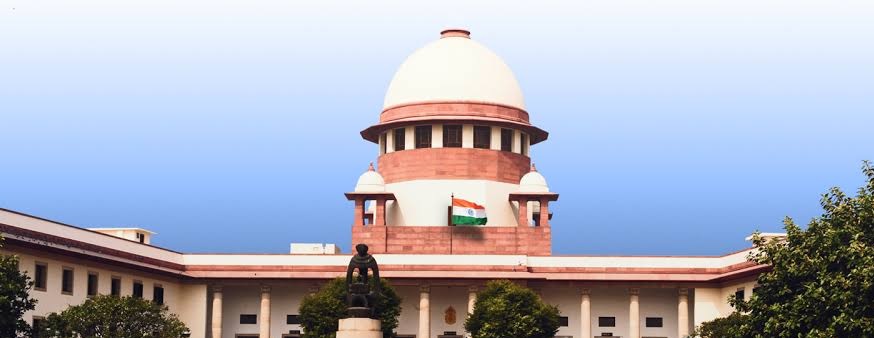
Supreme Court Rules Internet Access a Fundamental Right for Children, Shifting Online Safety Burden to Tech Platforms

NEW DELHI — In a monumental verdict delivered on October 15, 2026, by Justices J.B. Pardiwala and K. Vinod Chandran, the Supreme Court declared internet access a fundamental right for children, rejecting blanket bans in a case concerning online Child Sexual Exploitation and Abuse Material (CSEAM)
- Rejecting Total Bans: The court asserted that denying internet access is “unproven measures of proven disproportionality” and likened keeping children offline to mistaking the victim for the problem.
- Targeting Intermediaries: The judgment shifts accountability to tech platforms and regulators to police harmful content rather than restricting minor users’ freedoms.
- Actionable Safeguards: The Centre was directed to establish a national cross-platform database for removing flagged abusive material, implement structural protections like “child mode” with verified parental consent, and enforce strict tech accountability.
In a landmark judgment, the Supreme Court of India has ruled that children have a fundamental right to access and use the internet under Articles 21 and 19(1)(a) of the Constitution. The court firmly rejected proposed blanket bans or total age-based restrictions, addressing deep-seated parental anxieties by shifting the responsibility of child safety away from limiting children and toward stricter regulatory accountability