
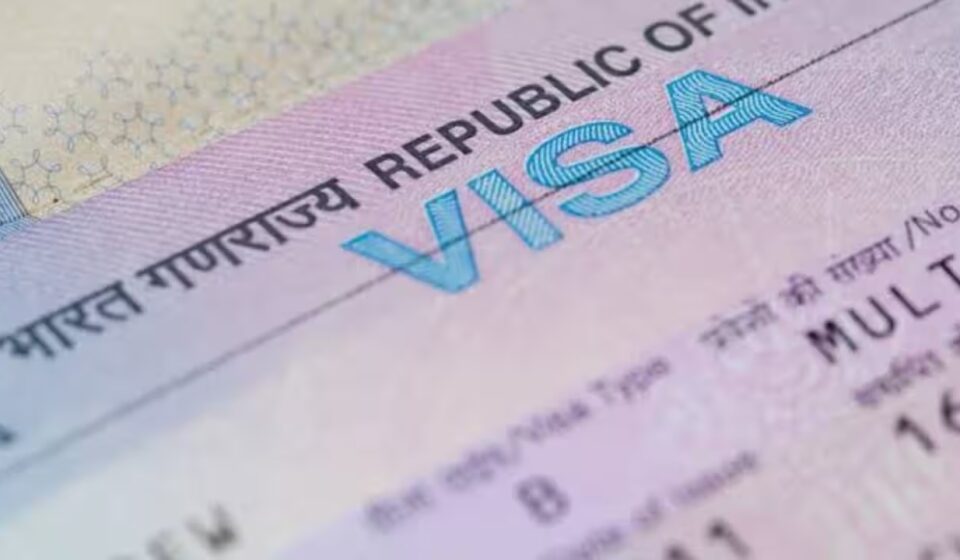

Traditional Tourist Visa scrapped in favour of a simplified two-tier Visitor Visa system (V-1 and V-2) to boost foreign arrivals
NEW DELHI: In a sweeping reform aimed at easing international travel and eliminating bureaucratic bottlenecks, the Union Government has rolled out a rationalised visa framework that cuts primary visa categories from 13 to 9 and reduces sub-categories from 49 to 23.
Alongside the structural consolidation, the Ministry of Home Affairs (MHA) has trimmed application form fields by 65% to 70%, a move expected to drastically cut processing times and reduce errors for foreign applicants.
End of the Tourist Visa
The centerpiece of the overhaul is the scrapping of the traditional Tourist Visa, which has been replaced by a flexible, multi-purpose Visitor Visa divided into two distinct tiers:
- V-1 (Short-Term): Valid for 30 days with multiple-entry privileges, this sub-category covers routine tourism, short business meetings, brief medical consultations, and short-term courses.
- V-2 (Long-Term): Designed for extended stays, this tier offers validity ranging from one to 10 years, catering to long-term tourists, family visitors, and mountaineering expeditions.
Nine Core Categories
Under the revised guidelines, India’s immigration architecture is now anchored around nine primary pillars: Business, Diplomatic, Work, Journalist, Medical, Official, Student, Visitor, and Miscellaneous.
Senior MHA officials stated that the restructuring eliminates overlapping eligibility criteria that previously confused applicants and delayed clearances. By merging redundant sub-categories, the government intends to position India as a more accessible hub for global commerce, medical tourism, and higher education.
Phased Implementation
The reforms mark the culmination of a year-long streamlining drive. After trimming an earlier 26-category system down to 13 in October 2025, the Centre notified the final cut to nine categories on August 27, 2026. Immigration portals and Indian missions abroad are currently completing technical upgrades to reflect the shortened forms and new visa codes.