
TARIFF THREATS EASING? HOW THE US MIDTERM RESULTS EMPOWER INDIA’S EXPORTERS AND TECH PROFESSIONALS

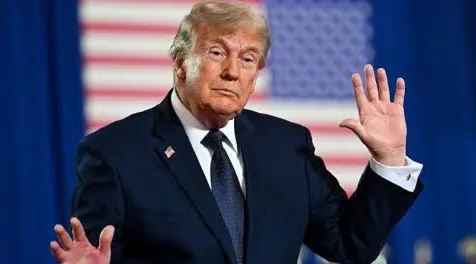
New Delhi- Real-time election data from The Associated Press (AP) confirms a decisive shift in congressional power. Contrary to claims that Republicans have widened their lead, Democrats have officially flipped the House of Representatives and secured a projected majority in the U.S. Senate following the November 3, 2026 midterm elections. The sweep severely curtails President Donald Trump’s legislative capabilities for the final two years of his term, shifting his operational governance to executive actions and defensive veto strategies.
2026 United States House of Representatives elections
361 of 435 races called by the AP. 218 needed for majority.
Last updated:
Democratic Party: 225 seats
225 won · 38 leading
Gained 25 seats
Republican Party: 136 seats
136 won · 36 leading
Lost 25 seats
The Ballot Defense: Following the initial wave of losses on Tuesday, President Trump published a statement on Truth Social shrugging off the results, writing, “I wasn’t on the Ballot and if I was, we would have won IN A LANDSLIDE!”. White House officials backed this narrative, attributing the defeat to candidate quality rather than a referendum on the administration.
The North Carolina Collapse: The race to replace retiring GOP Senator Thom Tillis became a central battleground. Democrat and former Governor Roy Cooper soundly defeated Republican Michael Whatley, a close Trump ally. The seat originally opened after Tillis declined a re-election bid following friction with the White House over immigration and healthcare bills.
National Reversal: The Democratic momentum extended beyond traditional swing districts, leading to major Senate pickups in long-standing red states like Texas and Iowa. In the House, The Associated Press (AP) reported that Democrats surpassed the 218-seat threshold, winning at least 225 seats to capture a firm majority
As the geopolitical landscape shifts with a newly minted Democratic Congress, policy experts are evaluating the immediate and long-term implications for India-US relations. While early reactions suggest a complete stalling of Trump’s agenda, seasoned analysts emphasize a complex balance of political gridlock and remaining executive powers
The Reality of Trade Powers: Even though several battleground Republicans broke away from Trump’s tariff policies during the campaign, the US President retains substantial executive trade authority. For instance, despite the Supreme Court overturning the use of emergency powers for tariffs earlier this year, the White House has consistently leveraged secondary trade and labor investigation laws to impose duties.
The Democratic Guardrail: A Democratic Congress cannot instantly repeal existing tariffs, but it is expected to aggressively block any future expansion of tariff powers. As noted by experts on NDTV, the result offers New Delhi a more predictable negotiating space to finalize the long-awaited bilateral trade deal
Fears regarding the outright abolition of the H-1B visa program—which predominantly benefits skilled Indian professionals—are being reassessed under the new congressional configuration.
Policy Stalemate: Historically, major structural overhauls to immigration laws require congressional approval. With Democrats taking control of both chambers, hardline Republican immigration bills and massive visa fee increases face severe legislative friction.
Regulatory Shifting: While the visa program will not be abolished, the Trump administration may still attempt to tighten entry criteria through internal department rules and presidential proclamations, which bypass Congress. However, these measures will face heightened oversight and committee investigations
The Quad and Countering China: Deepening defense ties and countering China’s economic and military expansion remain rare points of bipartisan consensus in Washington. A Democratic Congress is highly likely to advocate for revitalizing the Quad framework (US, India, Japan, Australia), pushing the White House to maintain steady engagement.
Defense & Tech Continuity: Key initiatives, like the US-India TRUST framework for critical technologies and AI, enjoy broad support across the aisle. While a Democratic majority will aggressively scrutinize Trump’s domestic policies, it is expected to actively fund and support military cooperation and defense supply-chain partnerships with India to maintain a counterweight to China in the region